
Replique protects telescope on La Palma with 3D-printed cover
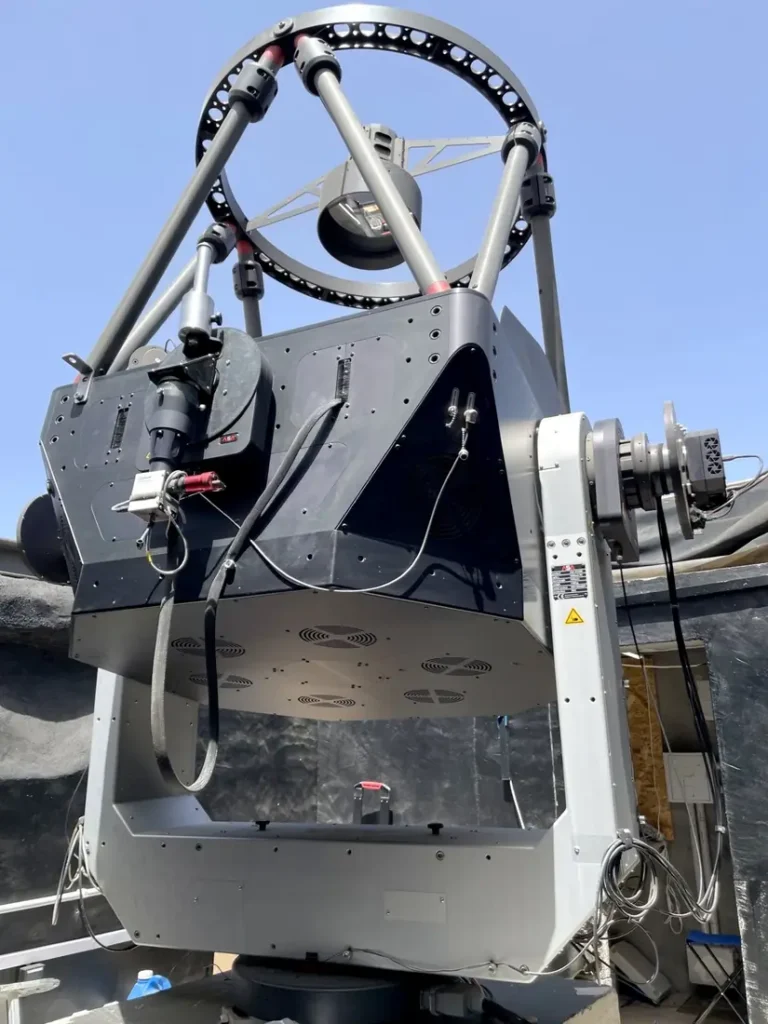
Every now and then, Replique, the platform for industrial parts procurement, receives requests that don’t fit into everyday industrial work. Some are still so exciting that the team makes an exception. This was one of them: Replique designed a custom-fit rain cover for Christof Reinhart’s private ASA AZ1000 telescope on La Palma and produced it […]
Contract Manufacturing: When It Pays Off and How to Choose the Right Partner
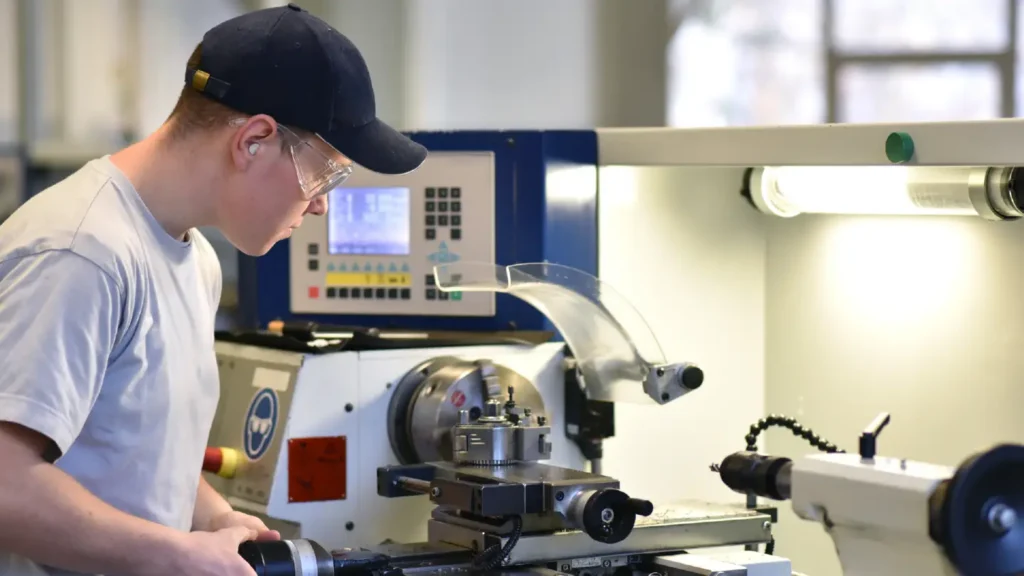
Short on capacity or missing the right machine? Here’s which parts are worth outsourcing and what to look for in a manufacturing partner.
Manufacturing Platforms Compared: Instant Quote or Review?
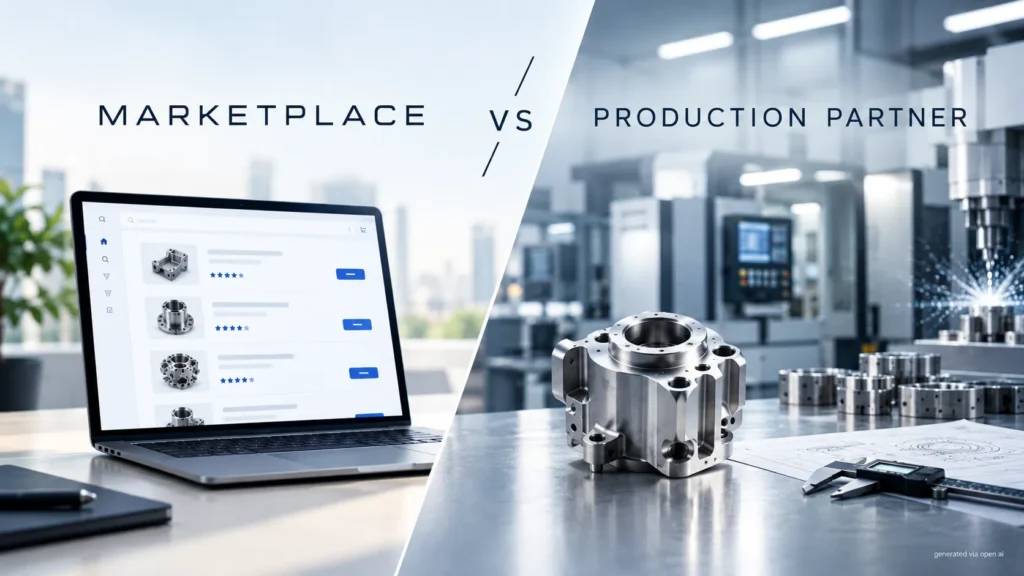
An instant quote sounds convenient, but with qualified series what counts is whether batch 20 still matches the inspection report of batch 1. Here is an overview of the most important platforms with their strengths and weaknesses.
Procurement Platforms for Industrial Parts: A Reality Check
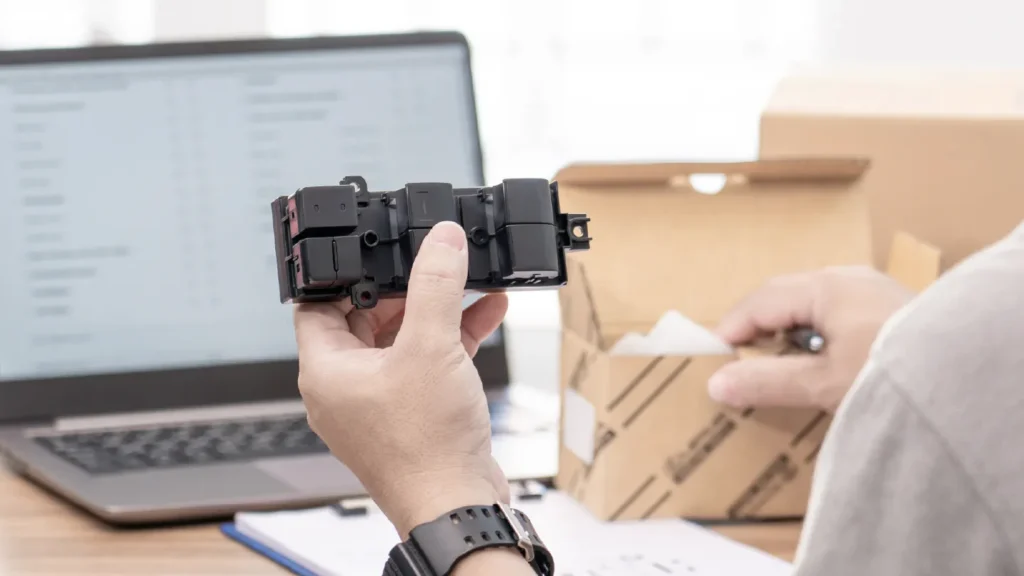
One upload instead of weeks of supplier hunting — that’s how procurement platforms for industrial parts are usually described. In practice it works well for spare parts, small series and short-notice demand; for production parts, it’s worth checking against your existing framework agreement. And how much a platform actually takes off your hands varies considerably from provider to provider. Here’s how these platforms work, which costs genuinely come down, and what matters when choosing one.
Industry 4.0 and On-Demand Manufacturing: How the Two Concepts Work Together

Industry 4.0 provides the infrastructure, on-demand manufacturing provides the business process. Here’s how connected data and demand-driven production fit together in practice.
When High-Tech Meets Topspin: Replique Supports the Table Tennis Department of TSV Neckarau
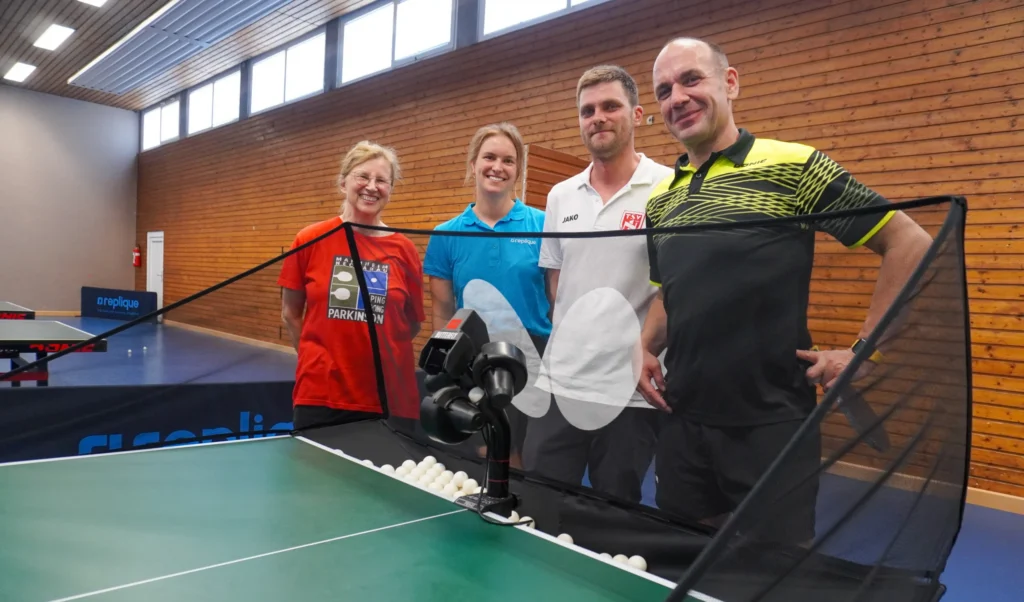
We’re excited to support TSV Neckarau right here in our community – with a new ball robot and 40 new surround boards for the whole table tennis team. Read more.
The EU Right to Repair Deadline Is Here: What It Means for Spare Parts and How 3D Printing Supports

The EU’s Right to Repair Directive is now in force — and OEMs need a plan for years of spare parts. Here’s how 3D printing fits in.
Sustainability in Industrial Manufacturing: CO₂ Reduction Through Local and On-Demand Production

Manufacturing emissions come from many sources — freight, overproduction, and idle inventory are some of them, and often easy to overlook. This article looks at how local, on-demand production can help address these specific sources, without sacrificing cost control or reliability.
Additive Manufacturing for Drones (UAVs): A Practical Guide

Additive manufacturing for drones has moved well beyond prototyping. This guide covers what it actually delivers across commercial delivery, industrial inspection, defence, and FPV segments — from part consolidation and weight reduction to on-demand spare parts and digital supply chains — and where CNC or injection moulding still makes more sense.
Future Labs Basel 2026 Recap: Custom Hardware and On-Demand Manufacturing for Labs
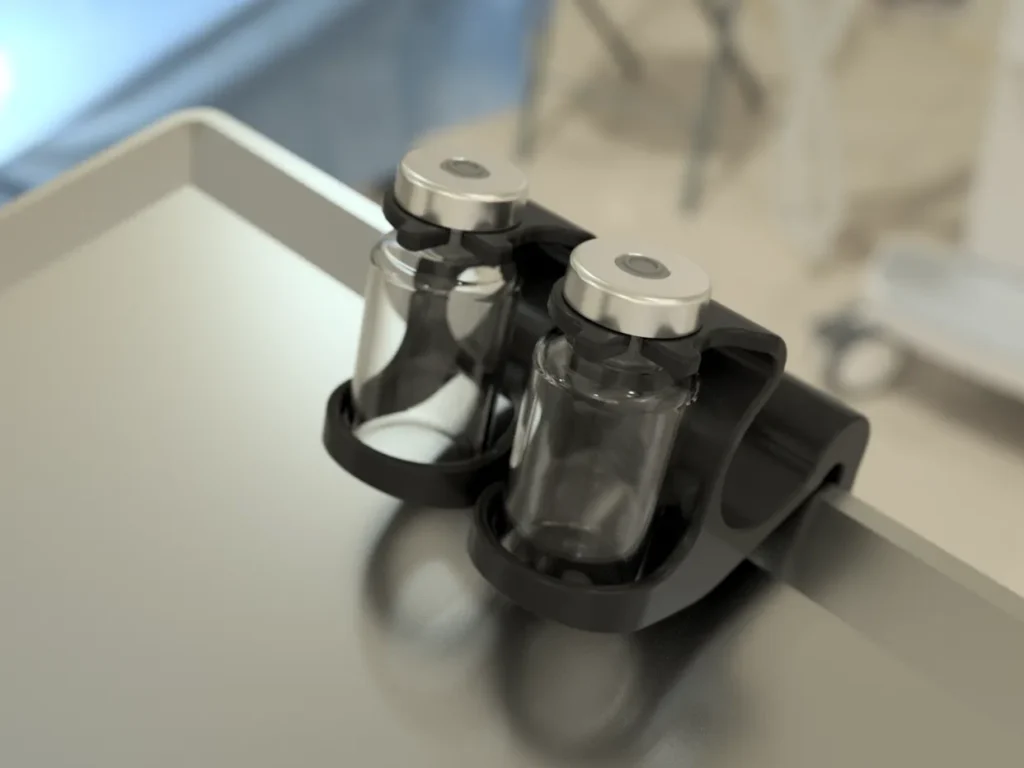
Future Labs Basel 2026 made one thing clear: lab automation is moving fast, but the custom hardware around it isn’t keeping up. A look at what’s changing—and how on-demand manufacturing fits in.