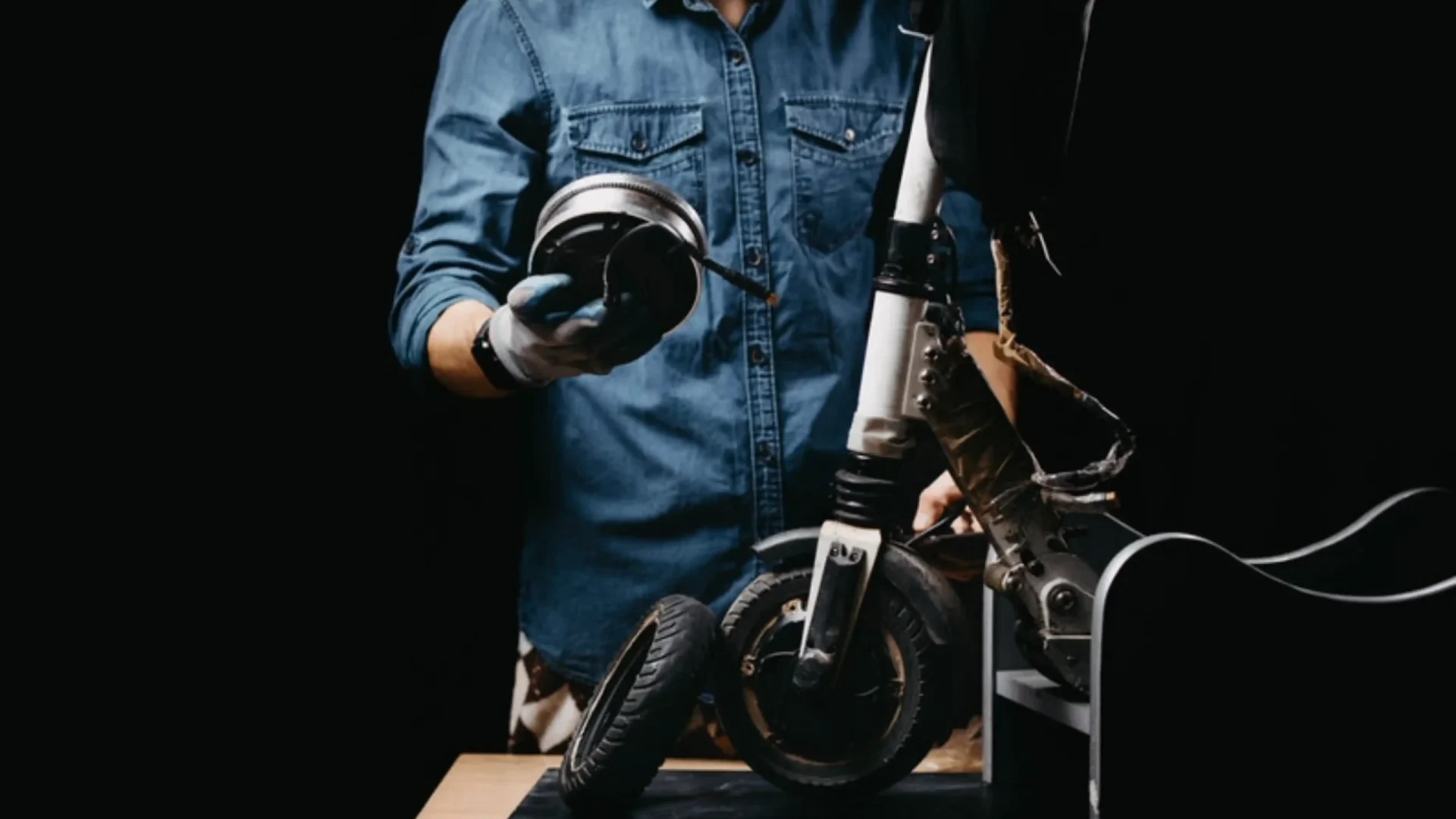
Shared e-scooters and e-bikes rarely have an easy life — rain, crashes, and vandalism are part of the daily routine, and spare parts get used up fast. After years when growth was the only metric that mattered, the micromobility sector now faces a different challenge: turning a profit. A key lever here is the rise of digital manufacturing platforms. According to McKinsey, these platforms can cut so-called fulfillment costs — the combined cost of production, storage, and delivery — by more than 50% (Cities Today).
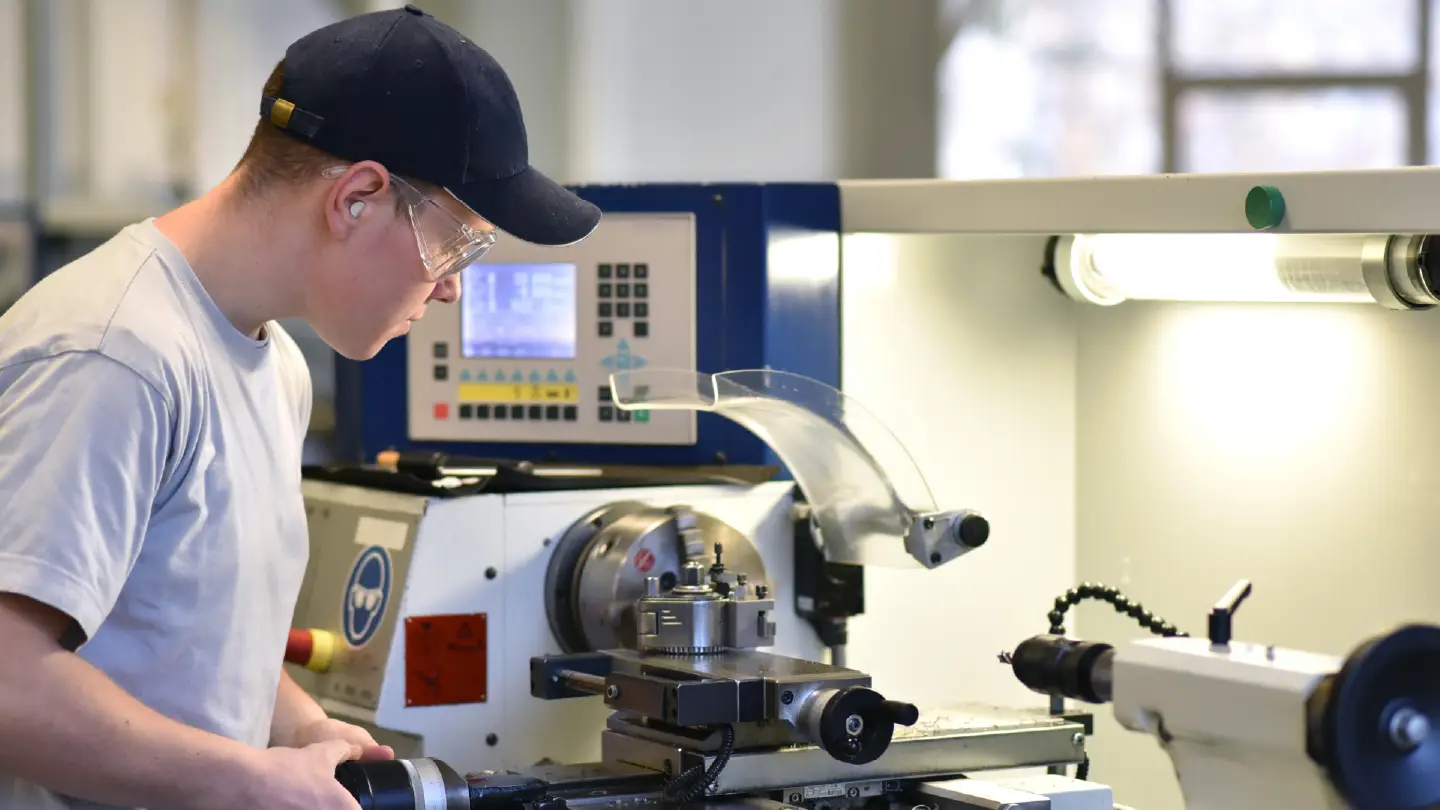
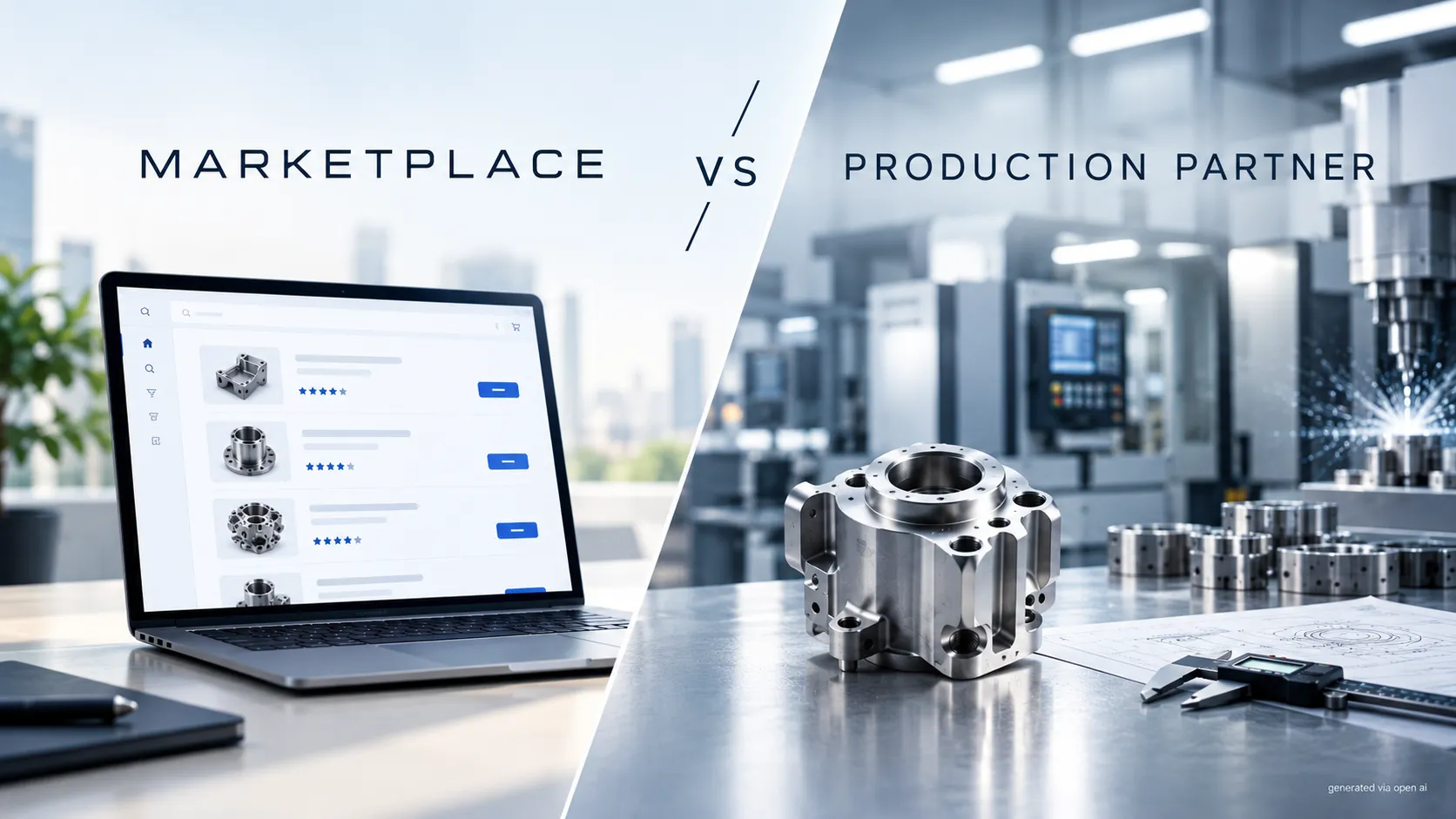
This is exactly where a platform like Replique comes in. Rather than manufacturing and warehousing parts centrally, digital manufacturing changes the way industrial parts are stored, distributed, and produced. From prototypes and small series to spare parts, this approach enables flexible, qualified manufacturing across multiple technologies — including 3D printing, CNC machining, casting, and injection molding — through a global network of more than 450 certified partners.
The Biggest Cost Drivers in Micromobility
Manufacturing accounts for nearly 30% of total costs across the micromobility value chain (Zag Daily). Traditional manufacturing methods are often complex: long lead times, heavy capital tied up in tooling, and multiple supplier interfaces to manage.
That makes it hard for providers to scale production efficiently and respond flexibly to market swings. Lower production costs and more agility in manufacturing are therefore a critical lever for profitable growth.
Manufacturing eats up almost a third of total costs in micromobility — yet digital manufacturing platforms can cut fulfillment costs by more than half.

Replique’s Solution: Digital, Decentralized Manufacturing
Replique tackles these challenges with a decentralized manufacturing approach. The platform connects companies to a global network of qualified manufacturing partners, enabling production on demand.
The result: lower inventory levels, reduced fixed costs, and faster adaptation to market needs — all while minimizing the risk of overproduction.
Looking for scalable manufacturing for micromobility?
See how Replique makes your production more flexible.The Key Benefits of Replique
1. Everything From a Single Source
Whether it’s a seasonal demand spike in spring, a damaged battery housing, or a new scooter model that needs to move into series production fast: Replique handles supplier selection, order management, and quality assurance, so you don’t have to coordinate a dozen manufacturing partners yourself.
2. Industrial-Grade Quality
For parts that end up on the street — brackets, housings, mounting components — every tolerance matters. That’s why we work exclusively with certified partners, ensuring every component meets the highest quality standards. Replique itself is certified to ISO 9001 and ISO 27001.
3. Hands-On Support
A new vehicle generation, a changed spec, an urgent spare-parts need across an entire fleet: from the first inquiry through to delivery, the Replique team guides customers every step of the way — freeing up companies to focus on their core business while Replique handles scalable production behind the scenes.
The Future of Micromobility
As micromobility continues to grow, digital manufacturing platforms are becoming a decisive success factor. They help companies make their production more scalable, more sustainable, and more customized — keeping them competitive for the long run.
If you’re trying to cut costs in micromobility, manufacturing is where you have to start — it accounts for nearly a third of total costs. Digital manufacturing platforms tackle exactly that: lead times, warehousing costs, and flexibility. Discover how Replique’s digital manufacturing platform can transform your production.
FAQ
Why is profitability suddenly such a big focus in micromobility?
After a phase of rapid growth, the industry’s focus is shifting to profitable operations. McKinsey sees digital manufacturing platforms as a key lever, capable of cutting fulfillment costs by more than 50%.
How much of total costs does manufacturing account for?
According to Zag Daily, manufacturing accounts for nearly 30% of total costs across the micromobility value chain — making it a critical lever for profitable growth.
How does Replique’s decentralized manufacturing model work?
Replique connects companies to a global network of qualified manufacturing partners, enabling production on demand — with lower inventory levels, reduced fixed costs, and less risk from overproduction.
What manufacturing technologies does Replique offer?
Through a network of more than 450 certified partners, Replique offers 3D printing, CNC machining, casting, and injection molding, among others — covering everything from prototypes and small series to spare parts.
What quality standards does Replique meet?
Replique works exclusively with certified partners and is itself certified to ISO 9001 and ISO 27001.