Use Case · Medical Technology
RehaMedPower Cuts Development Time and Prototyping Costs – Thanks to On-Demand 3D Printing
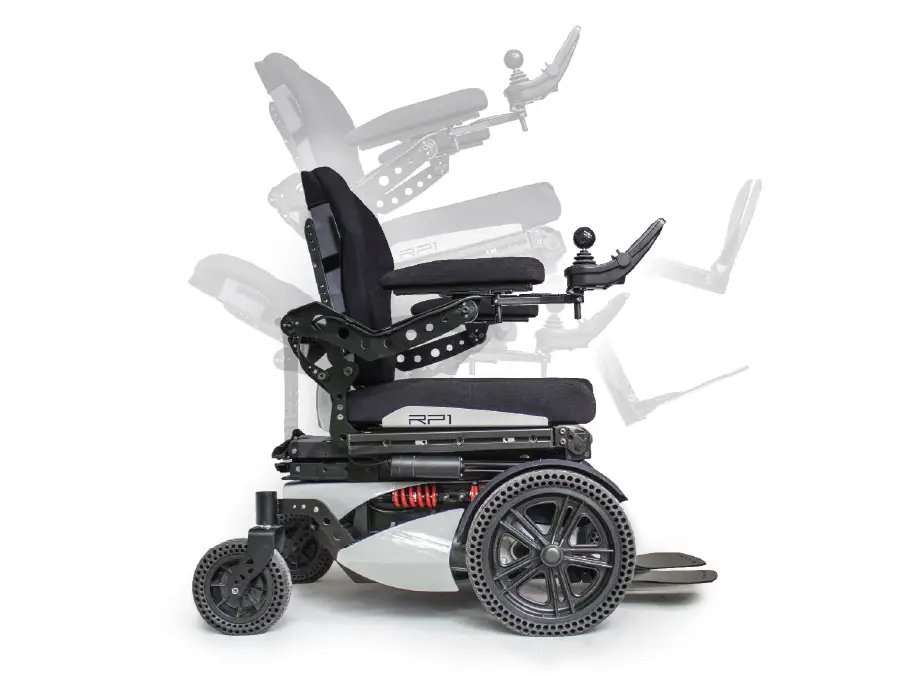
RehaMedPower wanted to build an electric wheelchair that adapts to each patient – not the other way around. With Replique and HP's Multi Jet Fusion, that became possible.
How Replique Helped
The Challenge
Every wheelchair is different – but injection molds are expensive and inflexible. For the new RP1, RehaMedPower needed a manufacturing approach that enabled individual parts without high upfront investment.
The Solution
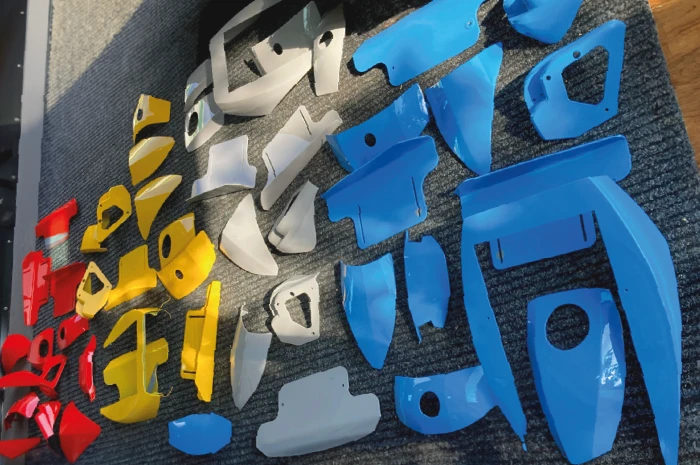
Replique reviewed the entire wheelchair design for 3D printing potential – and found far more printable parts than expected. Today, 19 to 23 parts per chair are manufactured via Multi Jet Fusion, straight from digital inventory.
The Result
30% faster development, 60% lower prototyping costs – and every wheelchair adapts to the patient, not to the mold.
How the Project Unfolded
Design Check
Which parts are worth 3D printing? Replique reviewed the entire RP1 design – and found far more suitable parts than expected.
Fast Prototypes
Instead of waiting weeks for injection molds, the first test parts were ready within days thanks to HP Multi Jet Fusion – with no tooling costs.
Into Digital Storage
All designs are stored on Replique's platform. No physical inventory is needed – parts are only manufactured when they're needed.
Series Production & Rollout
From first prototype to international series: the RP1 is now in use across Europe and even in New Zealand.
The Result
“With 3D-printed prototypes, we were able to significantly shorten our development time. Working with Replique also offers key advantages in series production – such as greater flexibility in demand planning and the ability to implement changes quickly and meet individual requirements with custom-made parts.”
— Thyl Junker, Head of Development, RehaMedPowerYour Advantages with Replique
Batch Size of 1, No Extra Cost
Every part can be individually customized – no molds, no minimum quantities, no additional cost per variant.
Zero Storage Costs
Designs are stored digitally and produced only when needed. That saves capital and space.
One Point of Contact
Replique handles everything – from material selection to manufacturing to delivery. No juggling suppliers.
Custom Parts, Fast to Series Production?
Let's find out together which of your parts could benefit from 3D printing.